Paska: Georgian Easter Bread
Easter is a time of celebration and joy, and in Georgia, one of the most beloved traditions is the baking of Paska, a sweet, rich bread that is a staple on the Easter table. This delicious bread is made with simple ingredients, but the process is time-consuming and requires patience and skill. In this post, we'll explore the history and significance of Paska, as well as the recipe and techniques for making this beloved Georgian Easter bread.
The History of Paska
Paska has a long and storied history in Georgia, dating back to the earliest days of Christianity in the region. The bread is traditionally made during Holy Week, the week leading up to Easter, and is often served at the Easter feast. The name "Paska" comes from the Russian word for Easter, which was adopted by the Georgian Orthodox Church.
The tradition of baking Paska has been passed down from generation to generation, with each family adding their own unique twist to the recipe. In some regions of Georgia, the bread is made with honey and spices, while in others, it is studded with dried fruit and nuts. No matter the variation, Paska remains a beloved part of the Easter celebration in Georgia.
The Significance of Paska
Paska is more than just a delicious bread; it is also a symbol of the resurrection of Christ. The bread is often decorated with intricate designs and symbols, such as the cross, which represent the triumph of life over death. In addition, Paska is a symbol of hospitality and generosity, as it is often shared with friends and family during the Easter season.
The process of making Paska is also steeped in tradition and symbolism. The dough is kneaded for a long time to represent the suffering of Christ, while the raisins and nuts symbolize the tears and blood shed during the crucifixion. The bread is then decorated with intricate designs, which are meant to represent the beauty and joy of the resurrection.
The Recipe for Paska
Ingredients:
- 1 cup milk
- 1/2 cup sugar
- 1/2 cup butter
- 1/2 tsp salt
- 2 eggs
- 4 cups flour
- 2 tsp active dry yeast
- 1/4 cup warm water
- 1/2 cup raisins
- 1/2 cup chopped walnuts
- 1 egg yolk
- 1 tbsp water
Instructions:
- In a small saucepan, heat the milk, sugar, butter, and salt over low heat until the butter is melted. Set aside to cool.
- In a large mixing bowl, beat the eggs and add the cooled milk mixture. Stir in the flour, yeast, and warm water. Mix until the dough is smooth and elastic.
- Add the raisins and chopped walnuts to the dough and mix well.
- Cover the dough and let it rise in a warm place for about 2 hours, or until it has doubled in size.
- Preheat the oven to 350°F (180°C). Grease a round cake pan.
- Punch down the dough and shape it into a round loaf. Place the loaf in the prepared pan.
- In a small bowl, whisk together the egg yolk and water. Brush the mixture over the top of the loaf.
- Bake the bread for 35-40 minutes, or until it is golden brown and sounds hollow when tapped.
- Cool the bread in the pan for 5 minutes, then transfer it to a wire rack to cool completely.
Tips for Making Perfect Paska
- Use room temperature ingredients to ensure that the dough rises properly.
- Knead the dough well to develop the gluten and create a smooth, elastic texture.
- Let the dough rise in a warm, draft-free place to ensure that it doubles in size.
- Brush the egg wash on the bread just before baking to create a shiny, golden crust.
- Serve the bread warm or at room temperature with butter or jam for a delicious Easter treat.
Variations on Paska
While the traditional recipe for Paska is delicious, there are many variations that can be made to suit your tastes. Here are a few ideas to get you started:
- Add honey and spices to the dough for a sweet and aromatic flavor.
- Use dried cranberries or apricots instead of raisins for a fruity twist.
- Replace the walnuts with almonds or pecans for a different nutty flavor.
- Add a splash of rum or brandy to the dough for an extra kick of flavor.
- Decorate the bread with colored sugar or sprinkles for a festive touch.
Conclusion
Paska is a beloved tradition in Georgia, and for good reason. This delicious bread is not only a symbol of the resurrection of Christ, but also a symbol of hospitality and generosity. With its rich, sweet flavor and intricate designs, Paska is a true work of art. Whether you're baking it for your family or sharing it with friends, Paska is sure to be a hit at your Easter celebration. So why not give this delicious Georgian Easter bread a try this year?
Related Articles
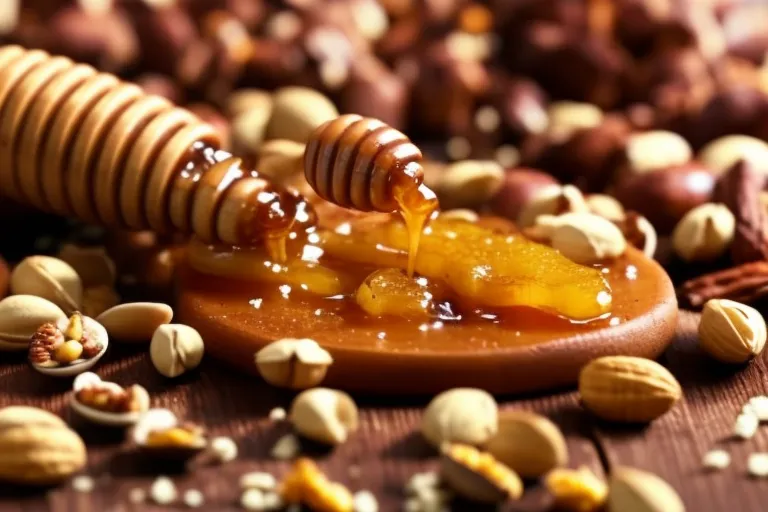
Gozinaki: The Georgian Honey Nut Bars
If you're looking for a sweet and crunchy snack that's loaded with flavor, look no further than gozinaki. This traditional Georgian treat is made with just a few simple ingredients, but the end result...
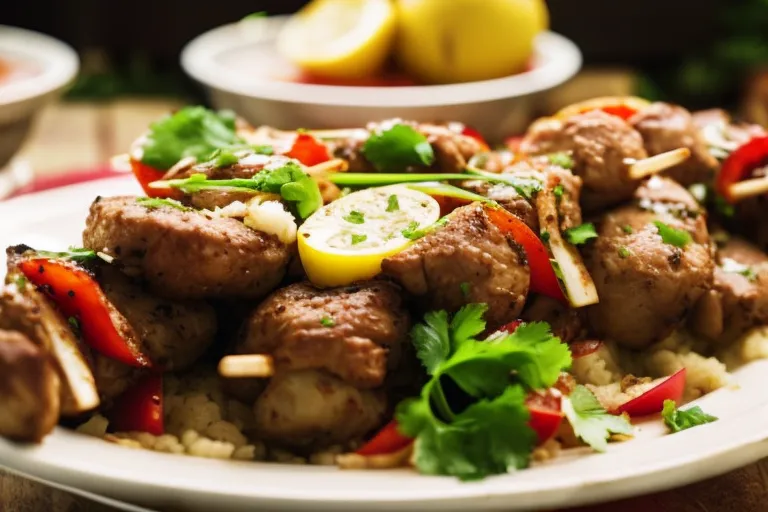
Kebab: Georgian Meat Skewers
If you're a foodie and you haven't tried Georgian food yet, you're missing out on a lot. Georgian cuisine is a unique blend of flavors and spices that will leave your taste buds craving for more. One...
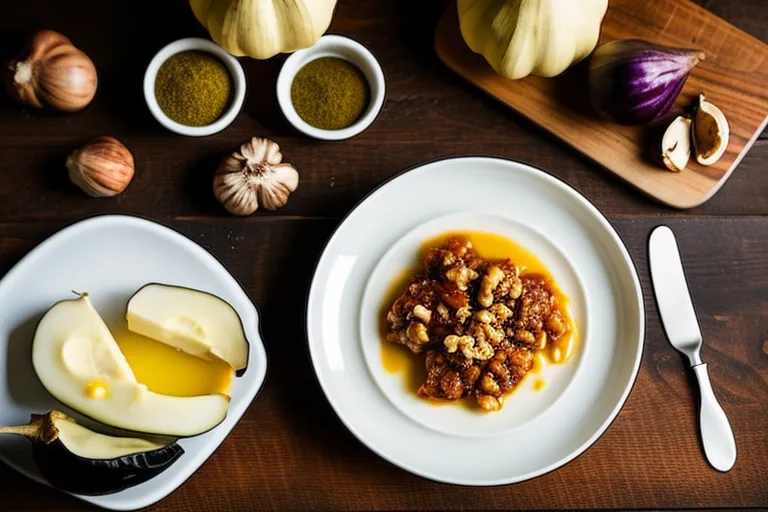
Badrijani Nigvzit: Georgian Eggplant Rolls
If you're a fan of Georgian cuisine, you've probably heard of Badrijani Nigvzit. This dish is a staple in Georgian cuisine and is loved by locals and tourists alike. In this blog post, we'll explore w...